
Put Your Money Where Your Mouth Is: Amsterdam’s Queer-Owned Businesses
On a drizzly Tuesday morning, a couple of tourists duck into the Pink Point, the little rainbow-fronted kiosk perched by the Homomonument. Inside, they find more than souvenirs. Badges, books, and flags share shelf space with flyers about queer history and upcoming drag nights. The man behind the counter leans in warmly, telling them where to find a queer-owned café down the road. It’s a tiny moment, but that’s exactly what makes queer businesses so vital: they’re not just places to spend money, but places where connection sparks, where visitors feel welcomed, and where our community sees itself reflected.
Amsterdam has long been celebrated as a queer capital. Yes, the city is full of iconic bars and nightclubs, but the story doesn’t stop at nightlife. Across the canals and side streets, queer entrepreneurs are running tattoo studios, craft stores, gyms, and clothing shops that weave queerness into the everyday. Supporting them means keeping queer culture thriving in its most tangible form.
Stephen & Penelope: craft as queer joy
Step into Stephen & Penelope on Haarlemmerdijk, and you’ll find walls lined with rainbow skeins of yarn and craft supplies that radiate possibility. The owners call themselves “art school dropouts,” but what they’ve built is more than a shop; it’s a sanctuary for creativity. Here, queerness takes the form of color, play, and the invitation to spoil your inner child. Customers often linger not just to buy, but to soak in the sense of community buzzing through the aisles.

Reroll Works: queer gaming that brings us together
The newest addition to this queer business list! Reroll Works opened this September in the vibrant and popular district ‘De Pijp’ and is ready to sell a plethora of board games (with a special mention to explicitly queer board games: the Dick Sits and the NZ Sauna game — this is a gay sauna based in Amsterdam, highly popular amongst gay men). Find also classic board games such as Ticket To Ride, Azul, the actual Dixit… and many others! The space doubles down as an event and community place to play board games and gather queer board games aficionados.

Studio Sailor: sailor-inspired tattoos with heart
In the Jordaan’s picturesque lanes, Studio Sailor offers a nod to the bold tattoos once inked on the arms of sailors in the 1920s and 30s. Founder Anne leads a team of eight artists, each with their own style. Whether it’s your first tattoo or your fiftieth, the studio is known for its warmth and openness. Walk-ins are welcome, and every client is treated with patience. Because at Studio Sailor, tattoos are more than body art, they’re personal markers of identity.

Ferus Tattoo: a safe space for every body
Not far away, Ferus Tattoo Studio takes a firmer stance: zero tolerance for LGBTQ+phobia, racism, or body shaming. Entering their space means stepping into a zone where judgement is checked at the door. Their artists each maintain strong individual styles, but they share a common goal; making sure every person feels safe as they etch their stories into skin. For many queer folks, that safety is what makes the ink meaningful. Note that they also offer temporary tattoos!
FAC Shop: dressing the dancefloor
Just next door to Café ’t Mandje, Europe’s oldest gay bar, is FAC Shop: the place to go when you want to sparkle under the club lights.

The shop is all about color, originality, and breaking from the leather-heavy tradition of Amsterdam fetish nights. The owners are beloved for their warmth, and the racks are packed with rave-ready pieces from brands like Nakt. FAC Shop is a reminder that queer nightlife fashion can be playful, vibrant, and unabashedly expressive.
It’s also one of my absolute favorites. Whenever I guide my Queer City Tour of Amsterdam, I make a point of stopping by, because it captures so much of what our scene is about: joy, creativity, and queer expression. If you want to dive deeper into queer Amsterdam, join me on a tour — I’d love to share these hidden gems and our history with you. 😀
Story time: what about fetish and queer community?
Picture a smoky backroom bar in the 1950s, where gay men, forced to live in the shadows of criminalization, began pulling on leather jackets and boots, crafting a new kind of armor. These weren’t just clothes; they were declarations. Leather became a way to reject the stereotypes of queerness imposed by the outside world, replacing caricatures of effeminacy with an unapologetic hyper-masculinity that was both erotic and defiant. Artists like Tom of Finland immortalized this new iconography, sketching broad-shouldered bikers in harnesses and caps, images that would ripple across queer culture for decades.
By the 1970s, the language of fetish wear expanded: colored hankies tucked into pockets communicated secret desires, while leather harnesses strapped across chests signaled belonging in underground clubs. When the AIDS crisis struck, these same leather and fetish communities became lifelines; organizing care networks and fundraisers when few others would step forward. What began as hidden codes and erotic play transformed into a culture of resilience, resistance, and ultimately pride, with fetish wear standing as both a visual marker of desire and a testament to queer survival.
Mr Riegillio: expanding the fetish family
In Reguliersdwarsstraat, Amsterdam’s “gay street,” Mr Riegillio spices up wardrobes with edgy fetish and clubwear. Once mostly catering to men, they’re now proudly expanding into gender-inclusive apparel. Beyond selling big names like Barcode Berlin, they also design their own in-house line: The House of Riegillio. The shop’s growing presence — even opening a sibling store in Berlin — shows what happens when queer businesses thrive: they expand their family across borders.

Mister B and ROB Amsterdam: carrying the torch
Amsterdam has earned its reputation as a fetish capital thanks in no small part to Mister B and ROB Amsterdam. Mister B, founded in 1994, is more than a shop; it’s an institution, known for celebrating leather culture and supporting the community through decades of change. ROB Amsterdam, meanwhile, has its own storied history of outfitting generations of fetish enthusiasts. Both stand as reminders that fetish wear is more than fashion; it’s a legacy of resilience, pride, and defiance.
Beyond shopping: apps, clubs, and tours
The businesses above are just a taste of what’s out there. Amsterdam is alive with queer-owned spaces; from bookshops to bakeries, gyms to galleries. To help you discover more, there’s the Everywhere Is Queer (EIQ) app, a queer city guide that connects you to LGBTQIA+ businesses and events. There’s also the Queer Business Club Amsterdam, a network uplifting queer business owners and freelancers and making sure our money supports our own.

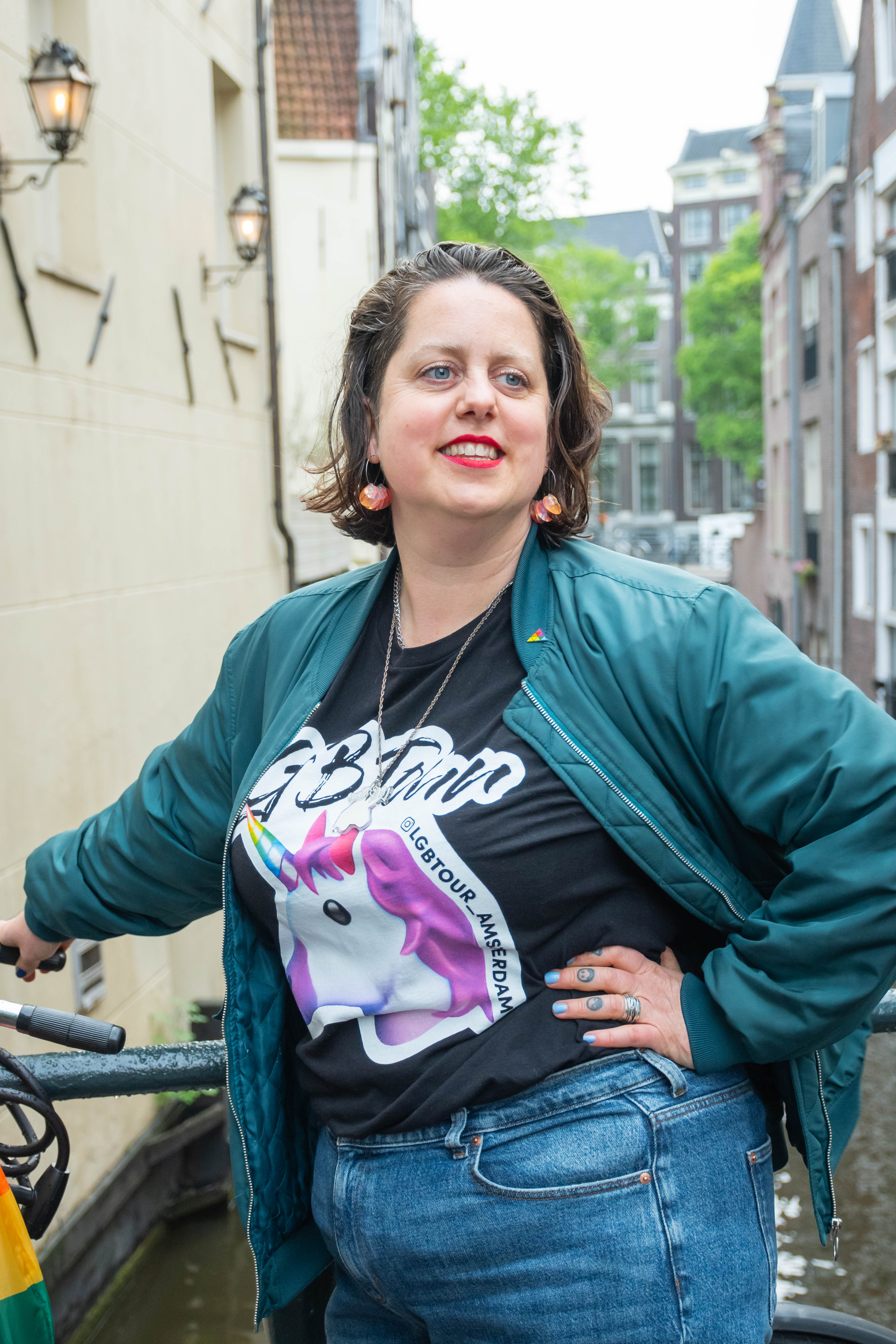
And if you want to experience Amsterdam’s queer history with depth and heart? That’s where I come in. I’m a queer business owner myself, offering tours that uncover the hidden queer stories behind this city’s canals and cobblestones. I’d love to show you how our past and present weave together and introduce you to the queer-owned businesses shaping our future.
There are way more businesses owned by queer people in Amsterdam than any single list can cover. So when you’re here, explore with intention, spend with pride, and remember: every euro is a vote for the kind of community we want to see flourish. 🌱🌈


Comments