
Gay Amsterdam Area: Is There Really ONE?
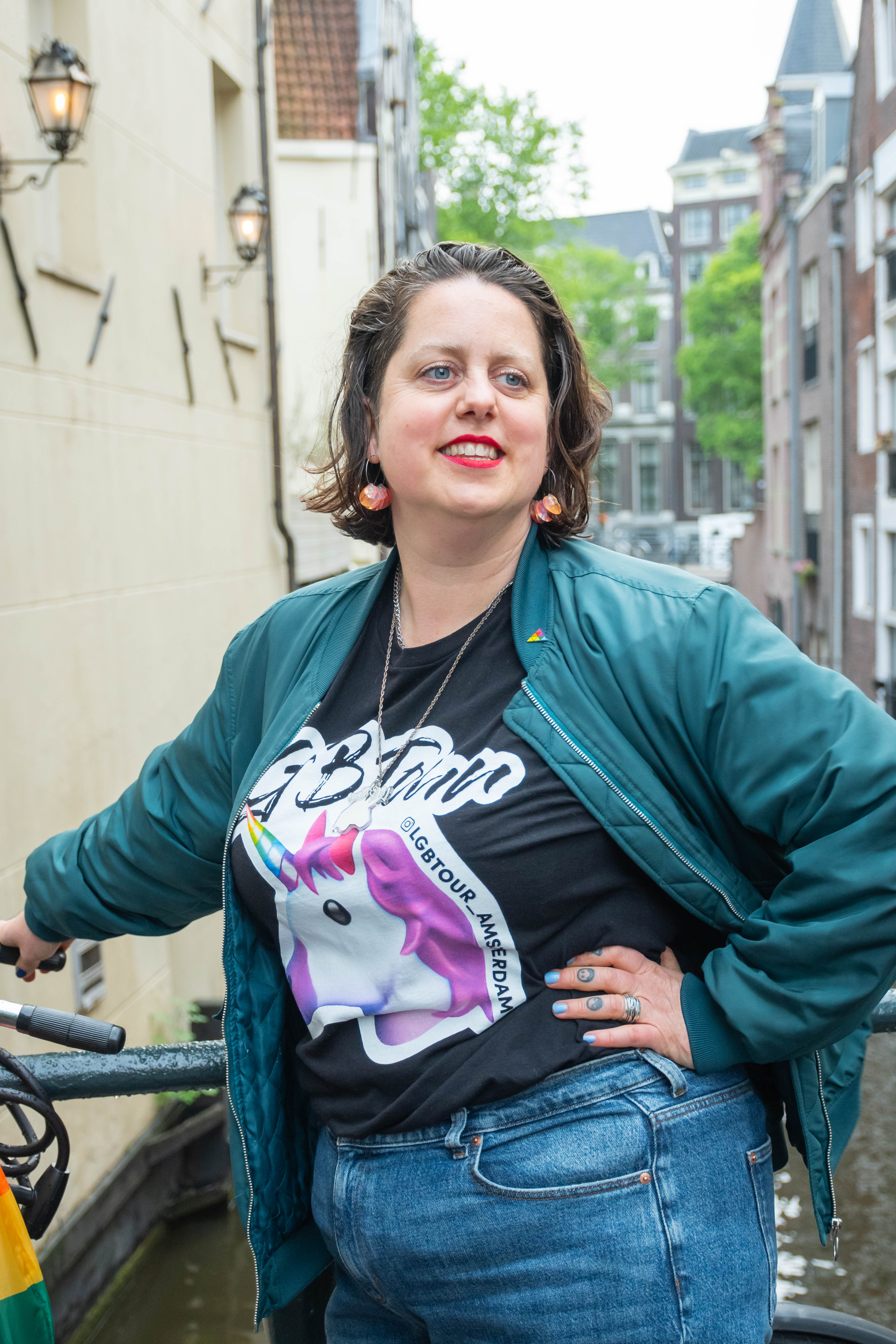
When people talk about the Amsterdam gay district, it’s easy to imagine one vibrant street bathed in neon lights, rainbow flags fluttering above cozy bars, and drag queens handing out smiles like confetti. But as I’ve learned wandering these streets, chatting with locals, and guiding visitors, the reality is far richer. Amsterdam doesn’t just have one gay area; it has many, each with its own energy, rhythm, and story.
From iconic nightlife streets to hidden cultural gems, the city’s queer landscape is a tapestry shaped by history, community, and even the pressures of gentrification. And while it might seem like tourist guides reduce it all to a single “district,” the truth is infinitely more interesting …and inclusive!
A Quick History of Amsterdam’s LGBTQ+ Scene
Amsterdam’s reputation as an LGBTQ+ haven didn’t appear overnight. It was born from the courage of individuals and the safe havens they created in a world that wasn’t always welcoming. Long before there were neon-lit club streets or canal‑side queer nightlife, there were stories of bold pioneers and tiny bars where people hungry for connection could finally breathe a little easier.
One of the most enduring chapters of this story begins in 1927 on a humble street called Zeedijk. There, a woman named Bet van Beeren. She was tough, leather‑jacketed, and proudly open about her sexuality. This iconic woman bought a small café from her uncle and renamed it Café ’t Mandje (literally “the little basket”).
Bet wasn’t just running another pub; she was building a refuge. At a time when homosexuality was still deeply stigmatized socially (even if technically legal), Bet welcomed anyone who walked through her door, from sailors and artists to gay and lesbian locals who otherwise had few public spaces of their own.

Her bar became one of the first places in Amsterdam where same‑sex affection and community could exist in the open, even if laws and social norms still forced some expressions (like public kissing) into the shadows.
Inside Café ’t Mandje, the walls soon filled with memories: photographs, souvenirs, even clothing fragments left behind by patrons who wanted to mark their presence in a world that often denied them space. Bet’s reputation (as the “Queen of the Zeedijk,” cruising town on her motorbike with a new girlfriend tucked behind her) grew alongside her bar’s mythic status. During Queen’s Birthday celebrations (now King’s Day), Bet famously dismantled the billiard table so patrons could dance freely; a small act of liberation in a time when dance licenses were strict and public queer expression limited.
Although Café ’t Mandje closed for a period after Bet’s death in 1967 and later decades of social change, its legacy was preserved. The family kept the interior intact, and in the early 2000s a replica was even installed in the Amsterdam Museum as a symbol of the city’s long tradition of tolerance. When Bet’s niece, Diana van Laar, reopened the café in 2008, she wasn’t just reopening a bar; she was reopening a living testament to decades of queer resilience and solidarity. Today, it’s more than a venue: it’s a cultural landmark, reminding visitors and locals alike how far Amsterdam’s queer culture has come and how those early spaces laid the groundwork for the rich network of queer venues we see now. If you want to dive deeper into the history and stories of this iconic spot, you can join one of my queer city tours of Amsterdam for an insider’s experience of Café ’t Mandje and other historic LGBTQ+ landmarks across the city.

By the 1970s and 1980s, queer culture in Amsterdam had blossomed even more. Streets like Reguliersdwarsstraat and Warmoesstraat became synonymous with nightlife and celebration, while events like the city’s first official Pride parade in 1996 cemented Amsterdam’s global status as a beacon of LGBTQ+ visibility and rights.
Today, the queer scene isn’t limited to nightlife; it spans cultural events, community spaces, and a diverse network of venues that reflect the vibrant complexity of Amsterdam’s LGBTQ+ residents, a tapestry built one café, club, and safe space at a time.
The Myth of ONE Gay Area
Ask most visitors to point out the Amsterdam gay district, and you’ll hear names like Reguliersdwarsstraat, Zeedijk, or Warmoesstraat.

And yes, these streets are central to the city’s queer nightlife, but limiting Amsterdam to one “district” is like saying Paris has only one arrondissement — Le Marais — worth visiting (spoilers: it’s not true!).
The reality is that queer life is spread across neighborhoods, each catering to different interests, energies, and communities. Some areas focus on nightlife and partying, while others emphasize cultural engagement, safe spaces, or social connections. This diversification is partly driven by gentrification and rising rents, forces that have caused some historic venues to close or relocate while inspiring new spaces to emerge elsewhere.
Main Gay Spots in Amsterdam
Reguliersdwarsstraat: The Beating Heart of Nightlife
Walking down Reguliersdwarsstraat at night is like stepping into a neon wonderland. Bars, clubs, and terraces overflow with energy, music, and laughter. It’s the perfect introduction to the Amsterdam gay district, especially for visitors who want the quintessential nightlife experience. For tips on where to dance until dawn, check out my guide to Amsterdam gay clubs.

Warmoesstraat & Zeedijk: History Meets Modern Queerness
These streets carry decades of LGBTQ+ history. During the day, cozy cafés invite you to linger over coffee and soak in the city’s queer heritage. At night, neon lights flicker on, revealing a mix of historic bars and modern queer hotspots. For a more relaxed vibe, explore chill gay bars in Amsterdam.
Oud-Zuid and De Pijp: Local Vibes and Hidden Gems
Quieter neighborhoods like De Pijp and Oud-Zuid offer alternative queer experiences. De Pijp buzzes with multicultural energy, intimate cafés, and creative spaces. Oud-Zuid provides elegant, low-key venues catering to a diverse community, including trans and lesbian visitors. If you’re looking for some of the best spots, my lesbian bars guide has you covered.

Queer Spaces Beyond Bars: Culture, Community, and Needs
The Amsterdam gay district isn’t just about bars and clubs. Cultural spaces, theaters, galleries, and festivals play a pivotal role in shaping queer life. From art exhibitions to film festivals, these venues celebrate diversity, foster community, and provide spaces for self-expression.
Equally important are community-driven spaces. Some cater to trans folks, queer families, or younger LGBTQ+ visitors. Others represent unique aspects of queer life that don’t fit neatly into a bar or club.
Take cruising spaces, for example. Often overlooked by casual visitors, these venues have long been part of Amsterdam’s queer history. They show how the community creates spaces for intimacy, connection, and self-expression, and how these spaces influence the city’s cultural and social landscape. My guide to gay cruising in Amsterdam explains their significance and how to navigate them safely.

Together, bars, cultural venues, community centers, and even cruising spaces shape Amsterdam’s queer identity. They are the living infrastructure of the city’s LGBTQ+ life, each corner telling a story of resilience, creativity, and community.
Gentrification, Rising Rents, and the Evolution of Queer Spaces
Over the past decade, Amsterdam has become one of Europe’s most desirable places to live, work, and visit. That popularity has come with a heavy price tag. Between 2018 and 2023, short‑term rentals in the historic centre increased by about 30 %, and overall rents climbed roughly 15 %, pushing residents and small businesses toward the city’s fringes.
Another layer to the crisis is the vacancy paradox: in 2025, over 21,000 homes in Amsterdam were standing empty, many held by large investment firms or wealthy individuals as cold financial assets rather than as homes. This shortage drives up both rents and commercial lease costs, directly affecting small bars, cafés, and queer-owned venues — the lifeblood of local LGBTQ+ culture.
The City of Amsterdam has recognized the threat to nightlife and culture. In 2023, Amsterdam pledged €2.2 million over four years to support night culture, including alternative spaces for clubs and bars facing rising costs.


The loss of familiar queer venues is deeply felt, and it’s perfectly valid to lament spaces that have long been central to Amsterdam’s LGBTQ+ life. At the same time, the community has shown resilience and creativity: pop-up parties, itinerant themed nights, volunteer-run discos, and queer-forward events shift locations week to week, keeping the scene alive despite the pressures. This adaptive energy demonstrates both the challenges and the enduring vibrancy of Amsterdam’s queer scene, reshaping what we think of as the Amsterdam gay district.
Hidden Gems and Local Secrets
To experience the real Amsterdam gay district, follow the locals. Explore quiet cafés, boutique stores, and bars off the tourist trail. Some of my favorite hidden gems include intimate venues where everyone knows your name and spaces where the city’s queer history is palpable.
These hidden corners provide a richer understanding of Amsterdam’s LGBTQ+ culture, far beyond the main nightlife streets. If you’re curious about the more adventurous side of queer life, my gay cruising guide is a great resource for understanding these unique spaces responsibly.
Tips for Visitors: Navigating the Amsterdam Gay District(s)
Whether it’s your first time or your tenth, a few tips help you enjoy the Amsterdam gay district like a local:
Respect the norms and privacy of venues: some cater primarily to locals.
Time your visits: happy hours, weeknights, and weekends offer very different vibes.
Mix tourist hotspots with hidden gems to get the full spectrum of queer Amsterdam.
For an insider’s perspective, I offer personalized tours, ranging from cultural explorations to nightclub experiences, that help you uncover the city’s queer history, meet locals, and navigate its nightlife like a pro.
Conclusion: There Isn’t Just One “Gay Area”
So, is there really one Amsterdam gay district? Not exactly.
Instead, there’s a vibrant network of neighborhoods, bars, cultural spaces, and community hubs shaped by history, gentrification, and evolving community needs. Each street has its own energy, each venue its own story, and every corner of the city offers something unique.
The best way to experience it? Explore, ask questions, and immerse yourself fully. And if you want the ultimate insider’s view, join one of my queer tours of Amsterdam (from cultural walks to nightclub adventures) to discover both iconic and hidden gems while learning the rich history of the city’s LGBTQ+ life.


Comments